After Borges · on exactitude in science
A map of the body
the size of the body.
Borges wrote of cartographers who drew a map as large as the empire.1We're building that map for anatomy: every named structure, at full resolution, in one place, for the people who read bodies for a living.
1 On Exactitude in Science, 1946. The map covered the empire point for point, and was later left to rot in the desert. Ours is meant to be used.
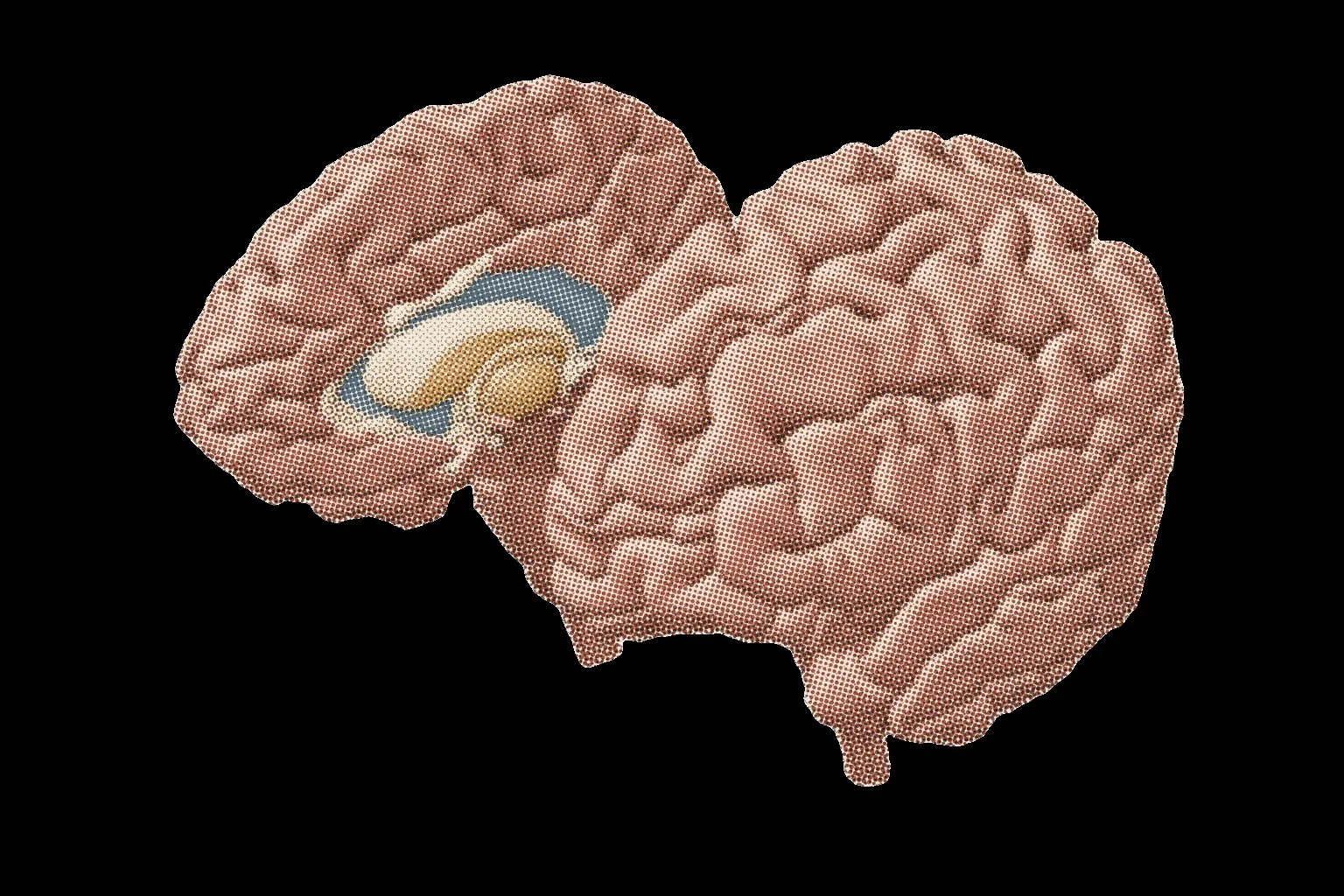
Cut it anywhere.
It still has names.
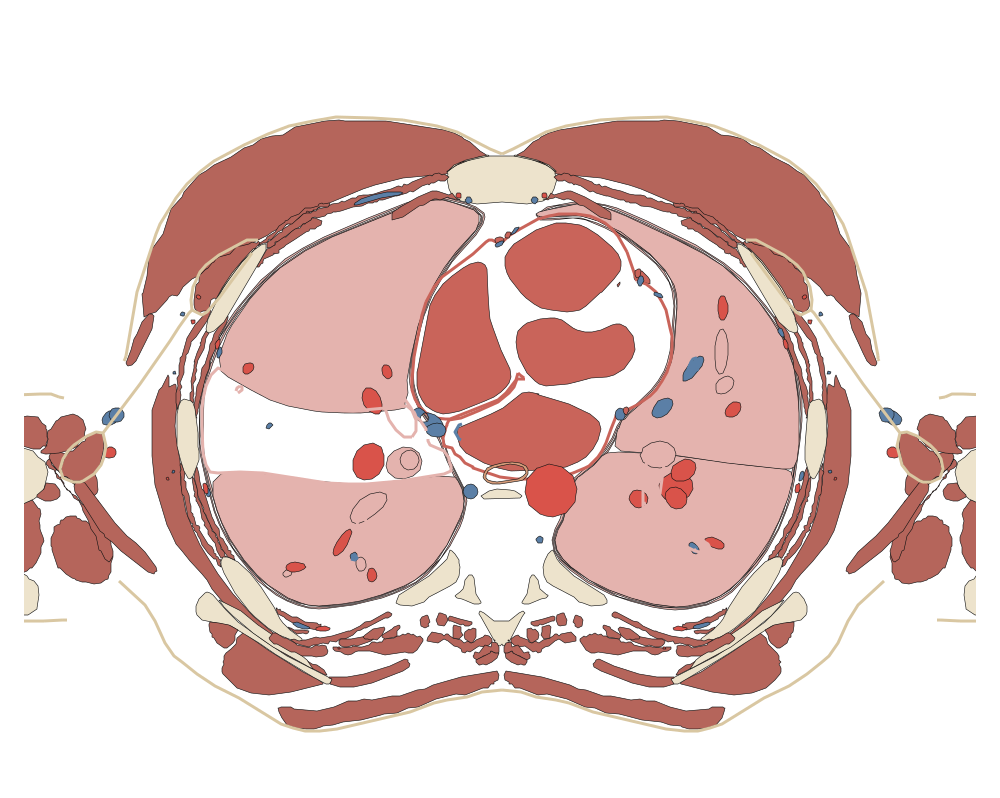
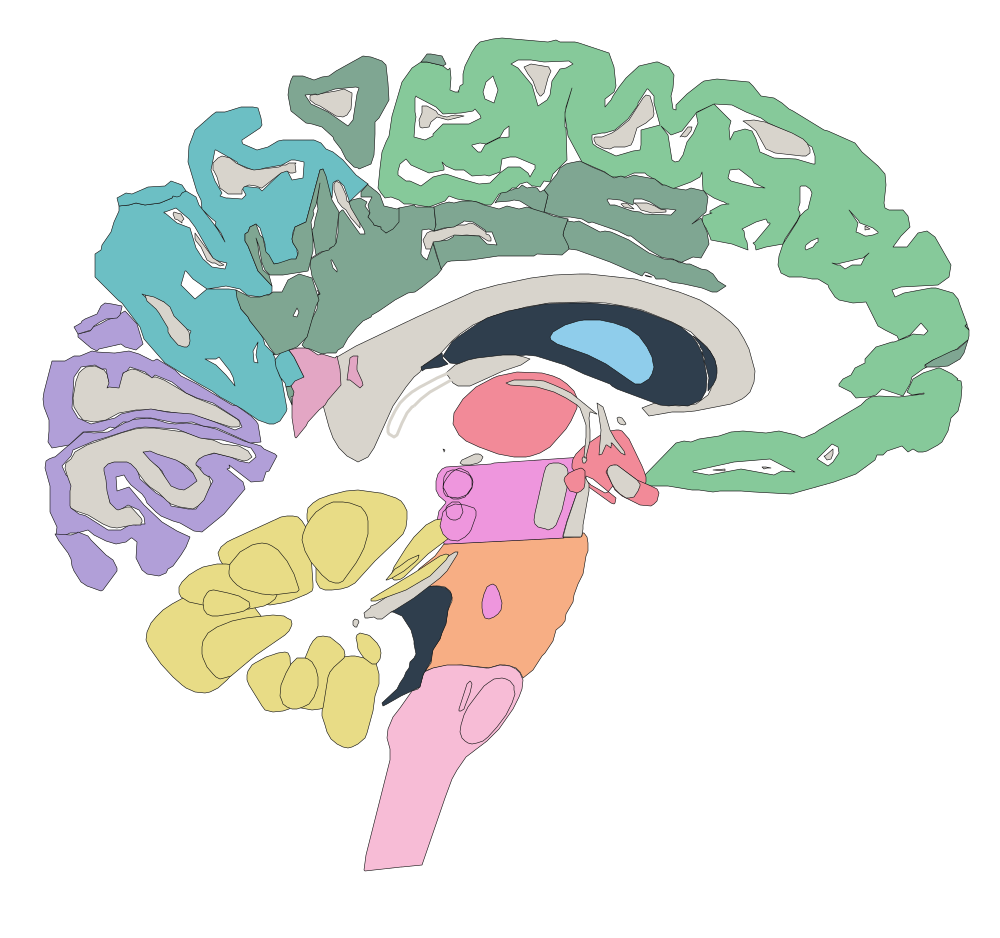
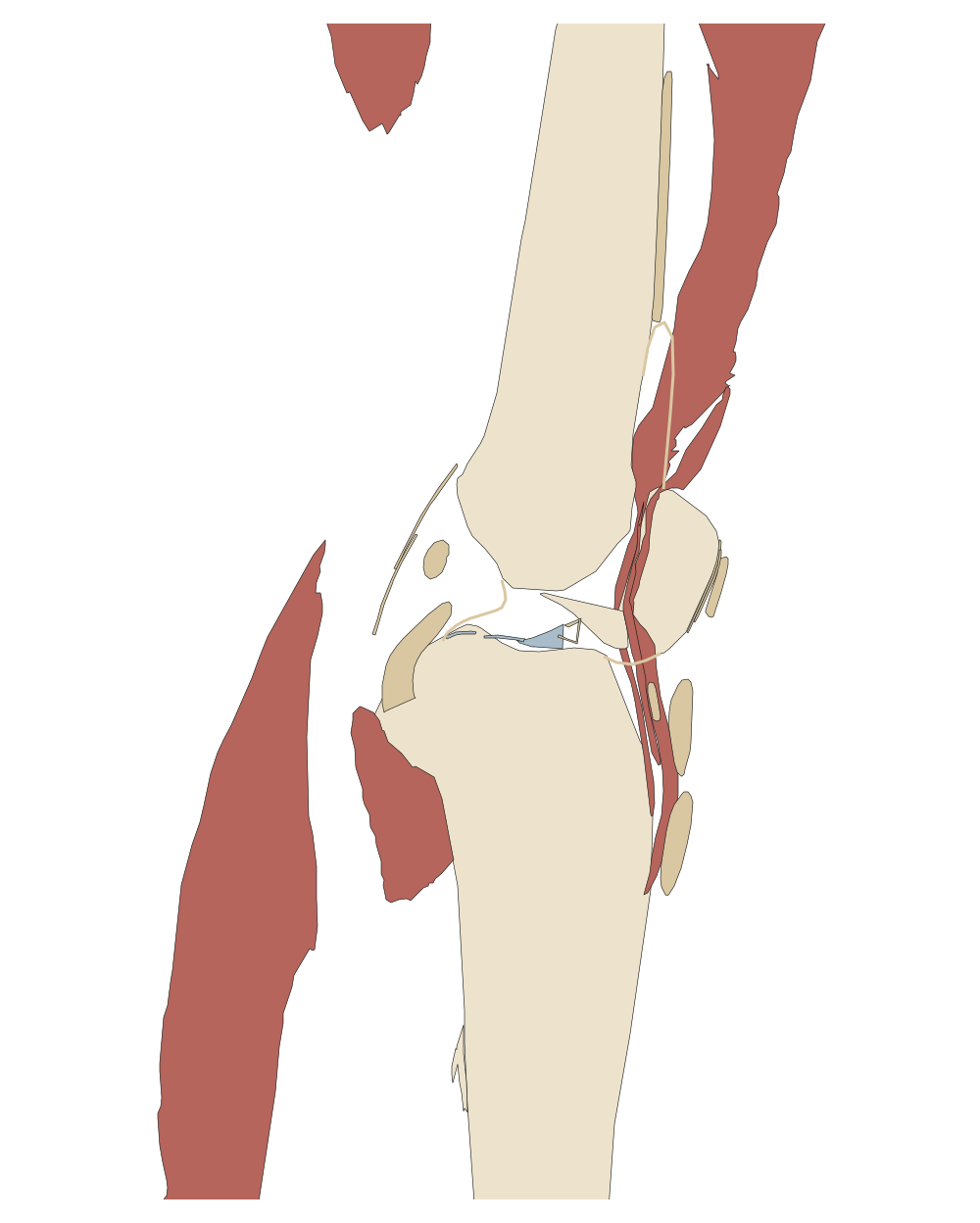
This plate isn't a drawing. It's our own three-dimensional library, sliced in your browser, 28 cuts from the front of the head to the back. Every region you can see is a structure the atlas can name – hover one, or drag the ruler to move the cut.
Sections are computed from the model library (after Z-Anatomy, CC BY-SA 4.0), never traced by hand.
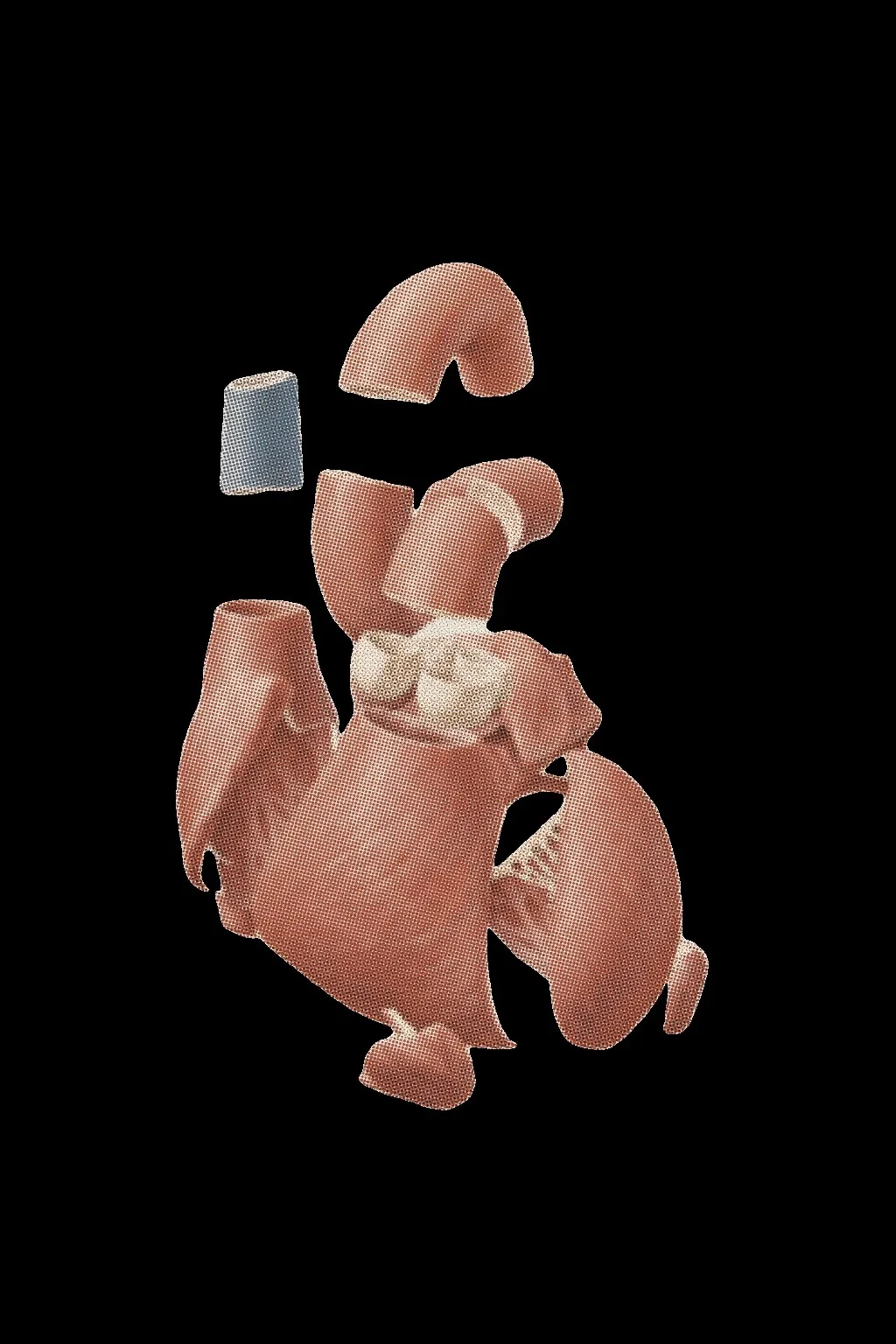
Every name,
traced to its source.
Every model traces back to an open anatomical source, and every structure carries its Foundational Model of Anatomy identifier, so a name means the same thing here as it does in the literature. Drawn at the scale of the thing it names.
The model library is licensed CC BY-SA 4.0, with attribution for every source.
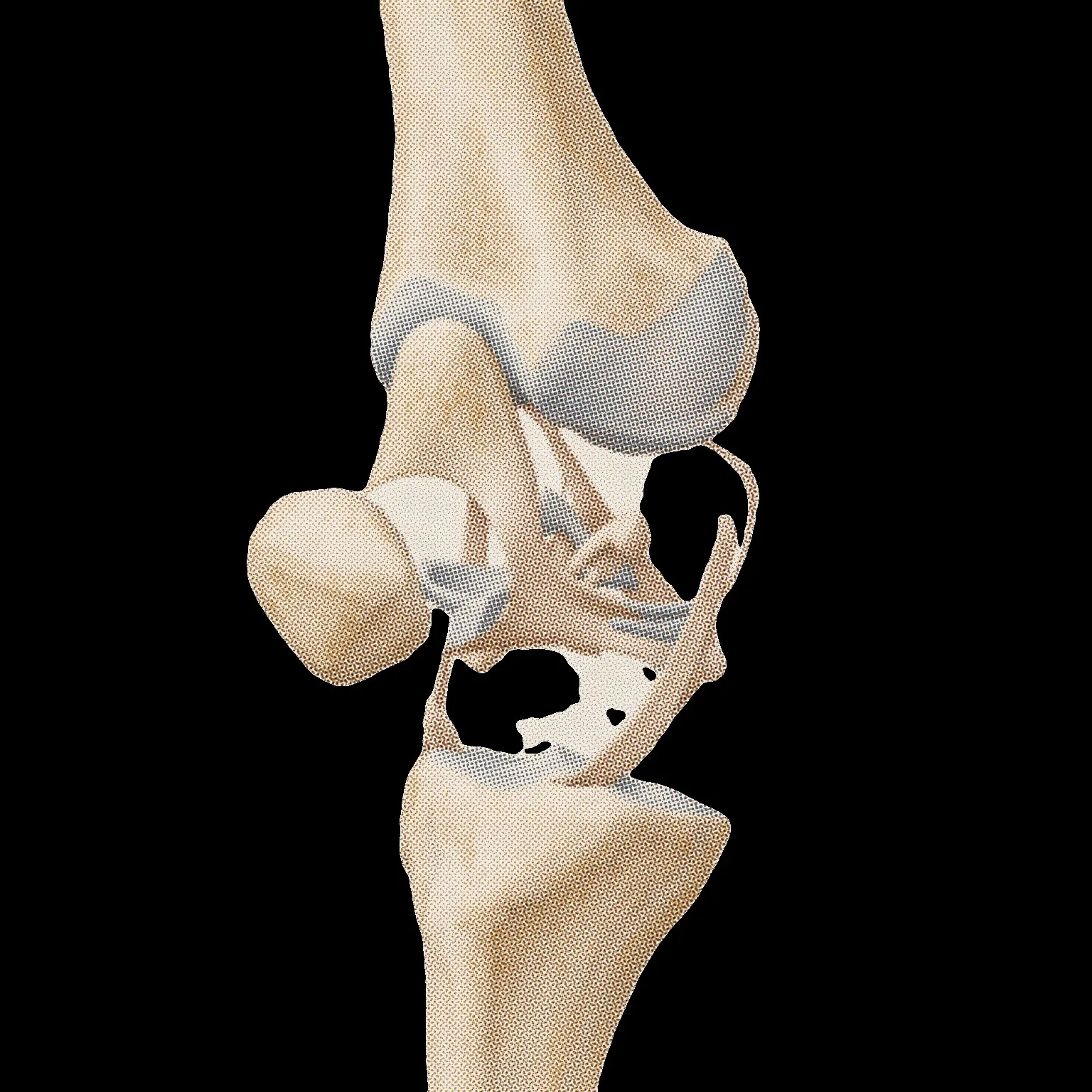
Built for the people
who read bodies.
- 01
Clinicians
Show a patient the exact structure you mean, not a textbook approximation.
- 02
Researchers
Anchor findings to FMA identifiers so they line up across studies.
- 03
Students
Learn anatomy as a navigable system, part by named part.